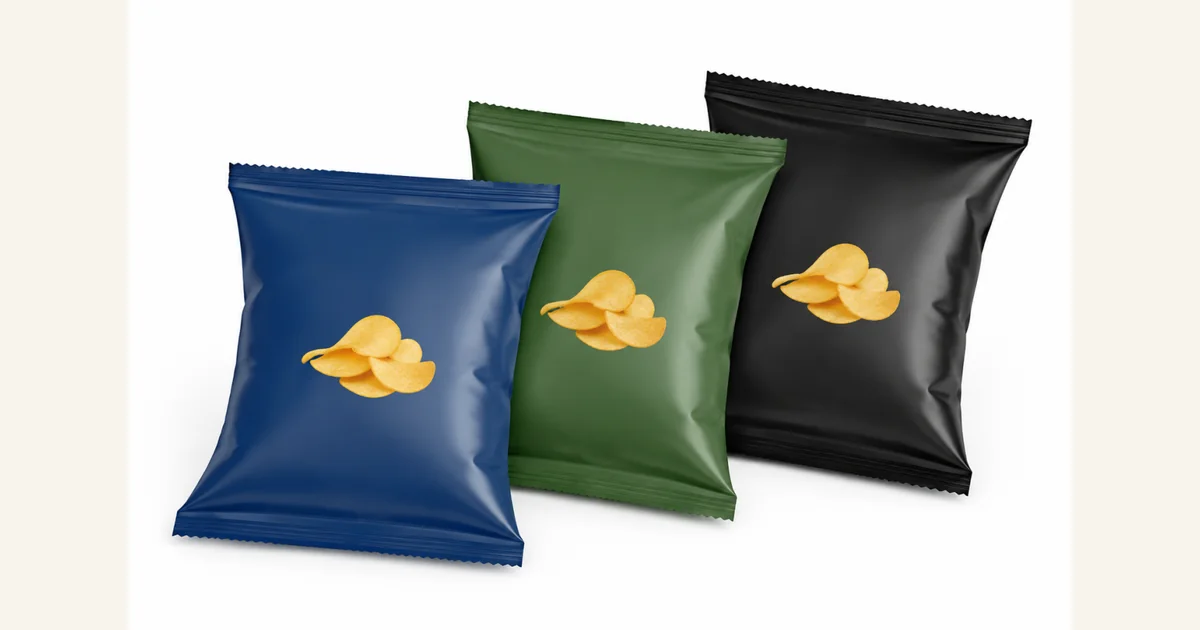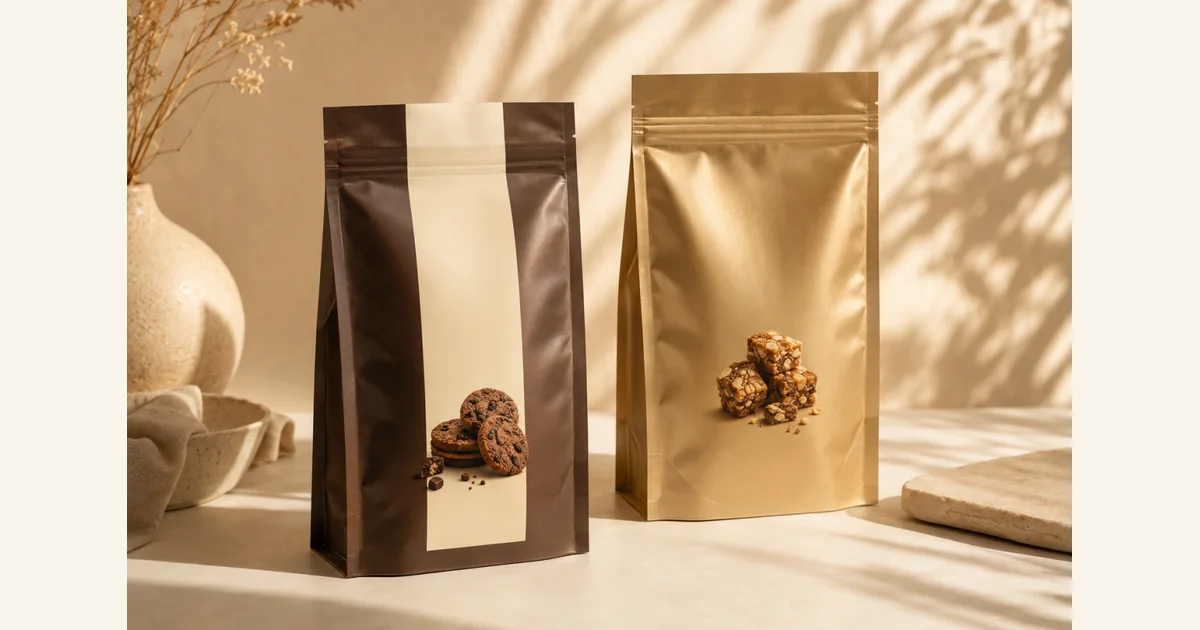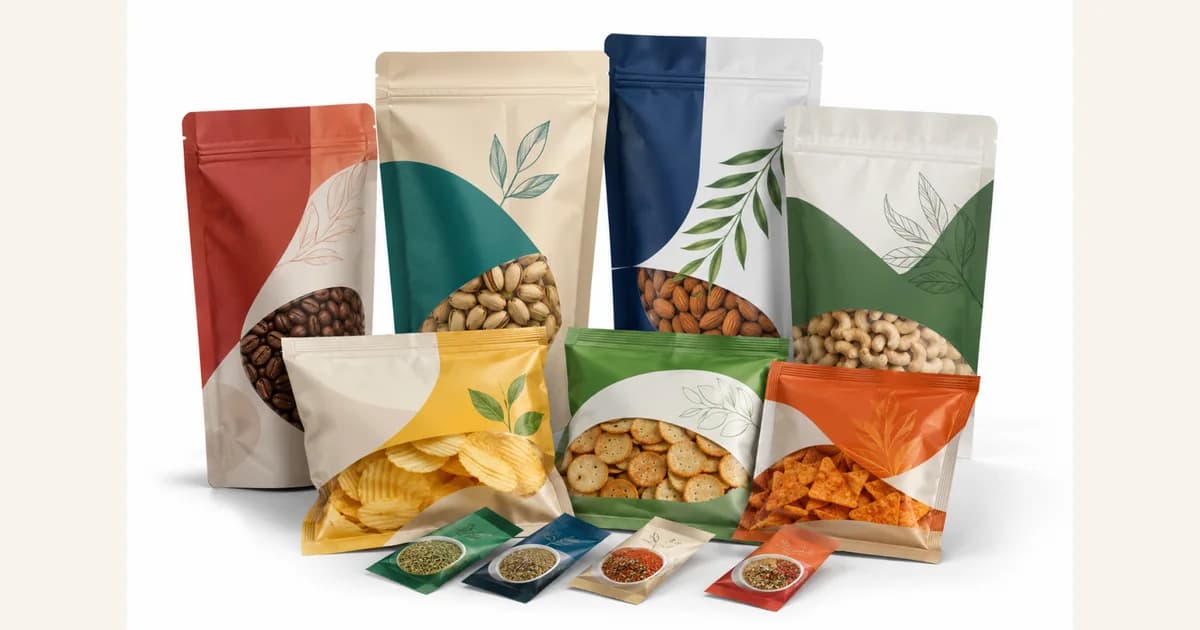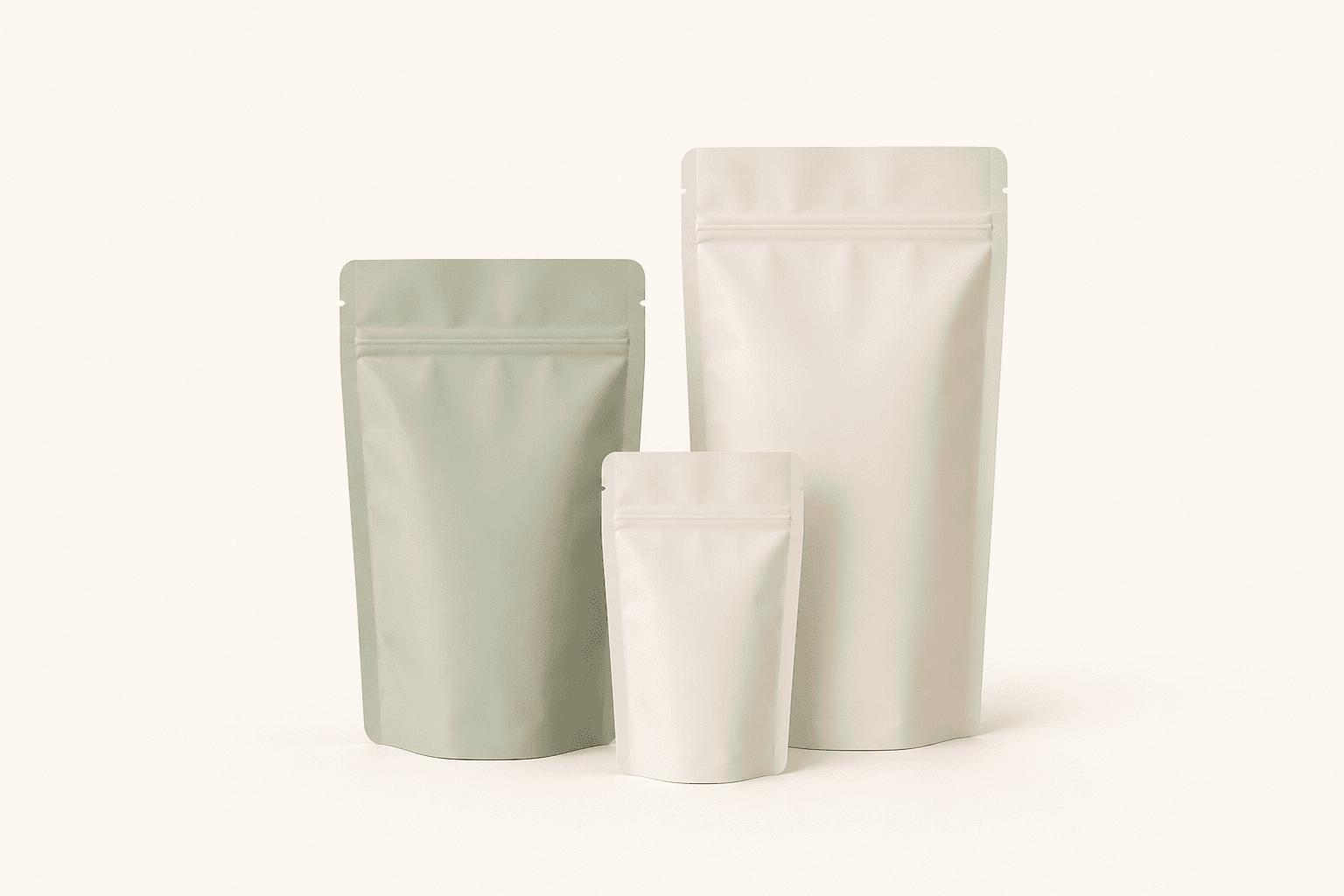
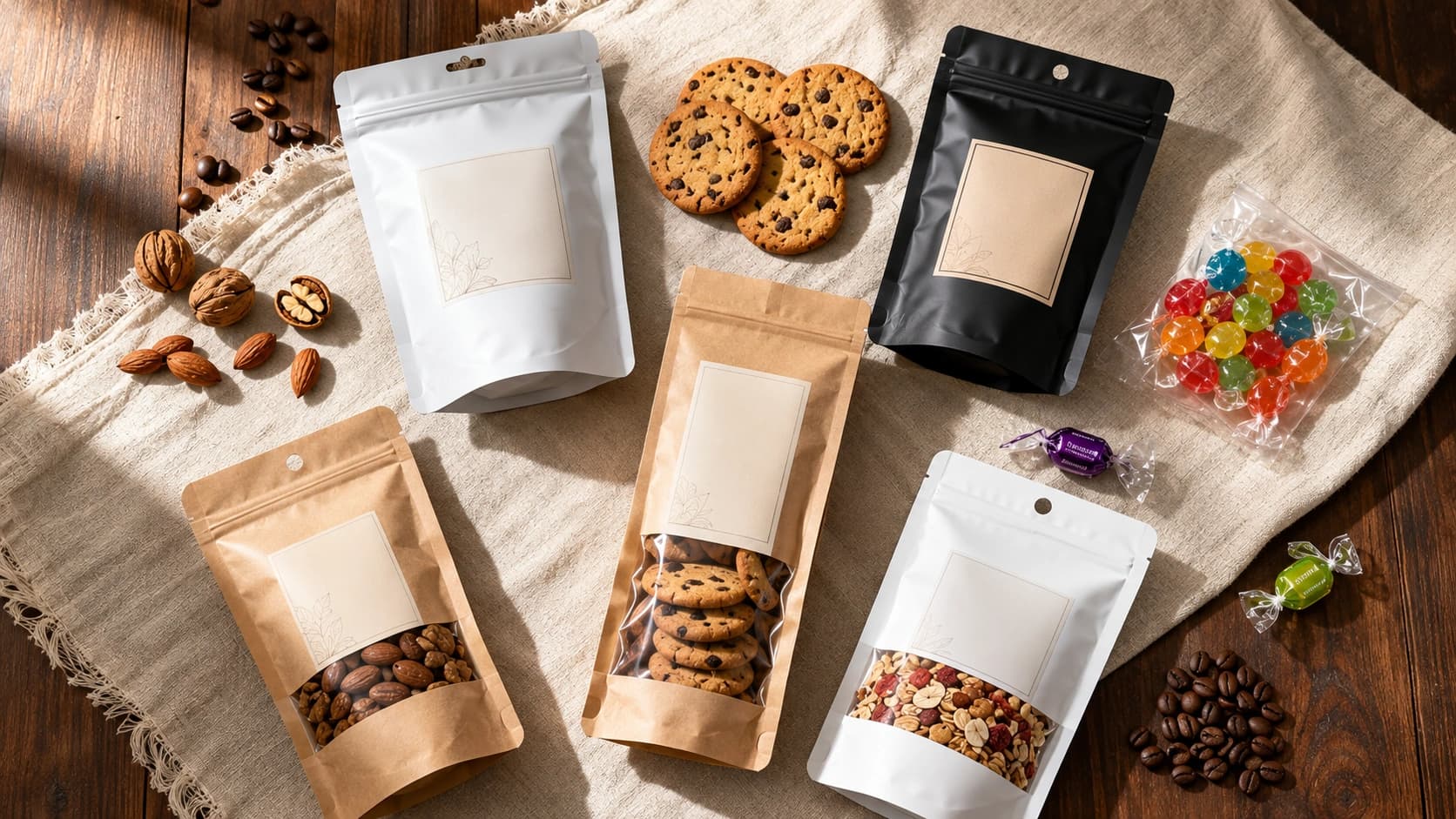
When selecting food packaging bags, buyers often focus on appearance and price while overlooking the characteristics of the product itself.
An unsuitable package can allow snacks to absorb moisture, oil to seep through, coffee aroma to escape, or frozen bags to crack. The right choice balances product characteristics, use conditions, compliance, and cost.
Step 1: Understand your product characteristics
Start with the food rather than the bag appearance. Moisture content, oil content, product form, storage conditions, and intended shelf life determine the protection the package must provide.
- High-moisture foods generally require dependable moisture control and sealing.
- Nuts and fried snacks need appropriate oil resistance to reduce seepage and package damage.
- Solids, powders, granules, and liquids require different openings, seals, and structures.
- Frozen products need materials that remain flexible and resist cracking at low temperatures.
- Longer shelf-life targets may require stronger oxygen and moisture barriers.
Step 2: Define the actual usage scenarios
Review storage and transportation distance, stacking, crushing, and friction. Long-distance distribution may require greater attention to puncture resistance, tear strength, and heat-seal integrity.
Consider how the consumer will use the package. Reclosable zippers support repeated opening, while a spout can make liquid products easier to pour. Shelf presentation may require a clear window, light-blocking structure, gloss or matte finish, or extensive color printing.
Step 3: Confirm export compliance requirements
Food-contact packaging requirements differ across countries and regions. Before ordering, confirm whether the selected materials are suitable for food contact, whether relevant documentation is available, and whether the structure can support the target market's testing requirements.
Confirming these requirements before production helps reduce the risk of discovering too late that the documentation or packaging structure does not meet the intended market's needs.

Step 4: Balance budget and performance
Higher performance is not always the right answer. The goal is a structure that matches the product's real protection needs.
High-barrier aluminum-foil structures generally cost more, while some dry foods may not require the highest barrier level. However, products that are high in fat, require a long shelf life, or are sensitive to oxygen and moisture should not sacrifice necessary performance only to reduce cost.
Quick procurement checklist
Before requesting a quote, answer these questions so the supplier can recommend a more suitable bag style, structure, and specification.
- What are the product's moisture and oil characteristics?
- What shelf life and storage temperature are required?
- Are zippers, clear windows, valves, or spouts needed?
- Which countries are the primary markets, and what documentation is required?
- How will the product be transported and stacked?
Conclusion
There is no single food packaging bag that suits every product. When the selection is uncertain, share product details, existing packaging, or representative samples with the supplier so the recommendation can account for the food, shelf life, filling process, and intended use.