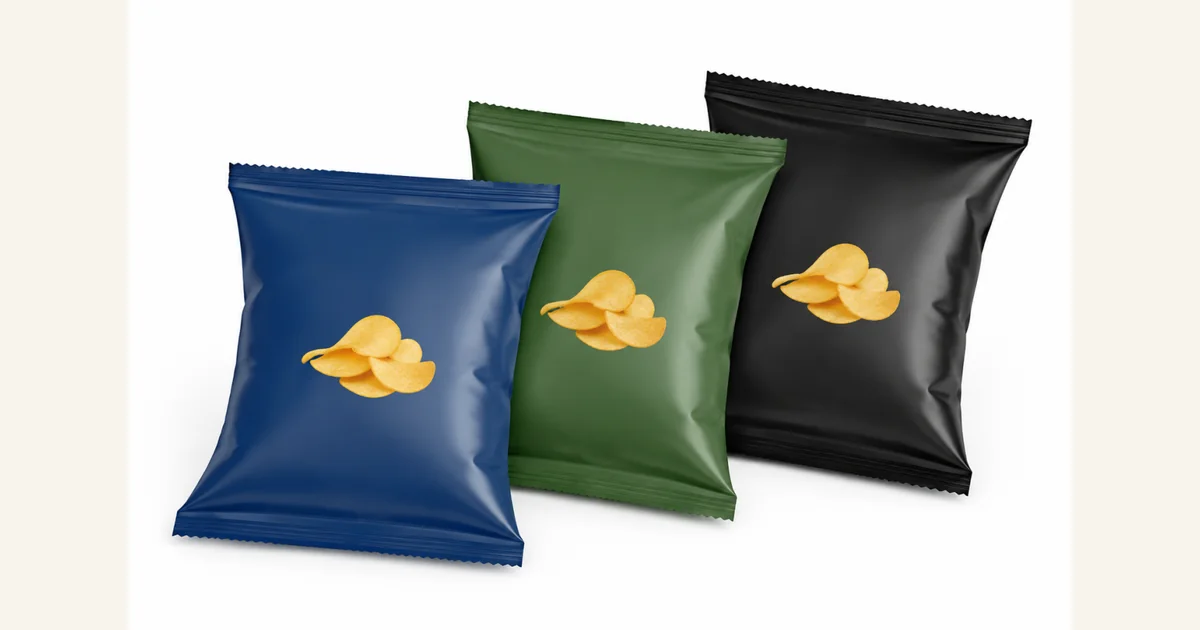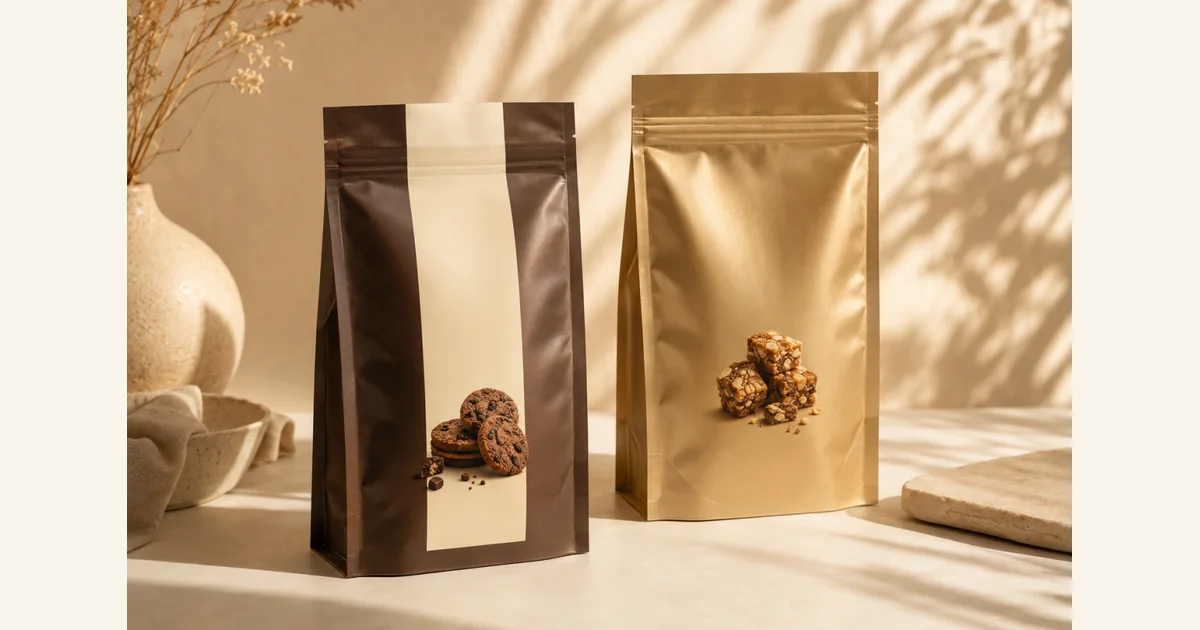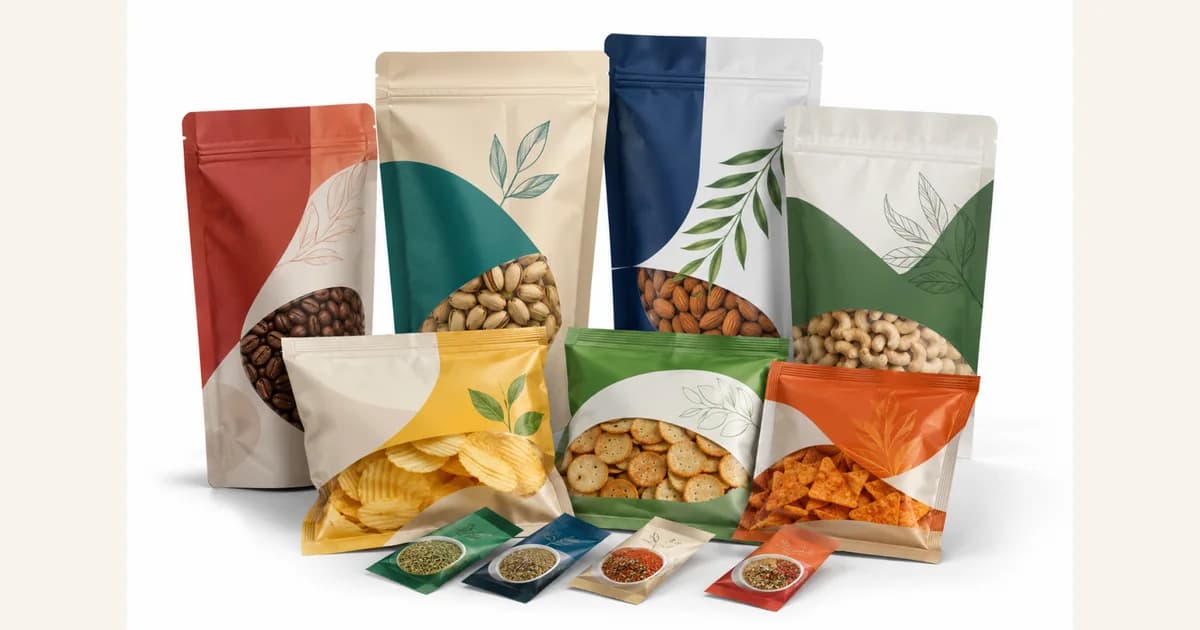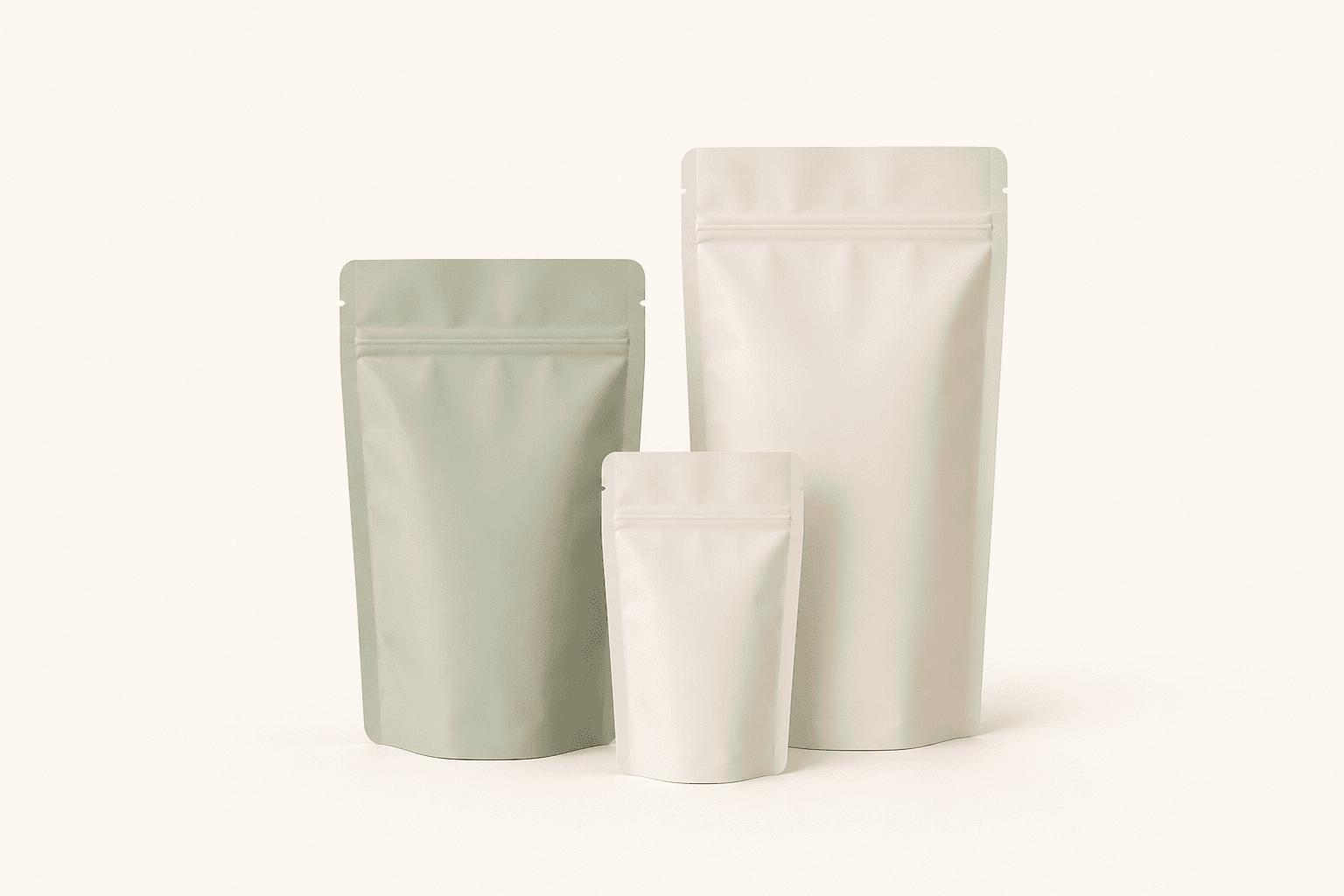
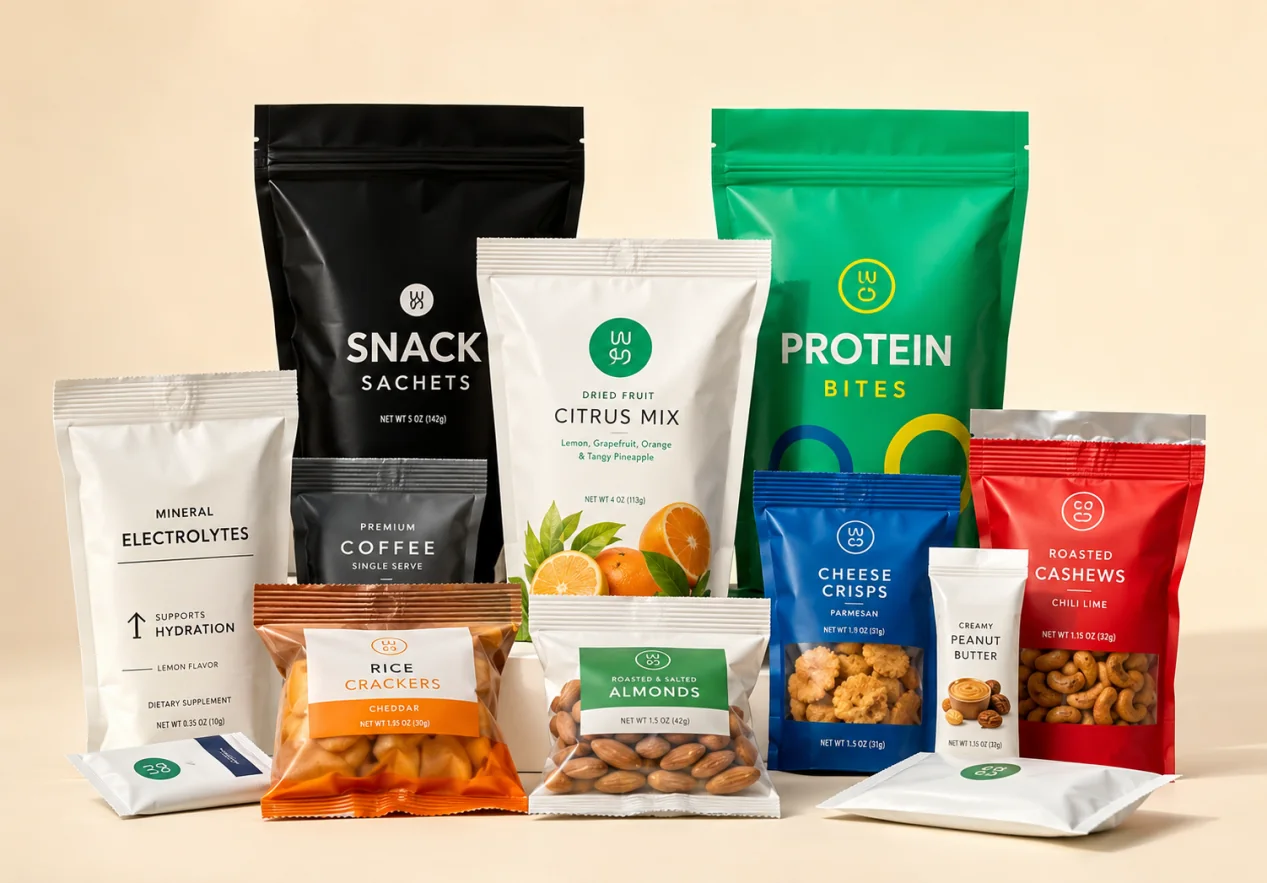
Flexible packaging is one of the most widely used packaging formats in the food industry. Compared with glass jars, metal cans, and many rigid plastic containers, it is lightweight, adaptable, and available with barrier properties tailored to different products.
However, appearance and price should not be the only considerations. The packaging material and structure must suit the food, filling method, storage conditions, transportation process, and intended shelf life. This guide explains the main materials, common laminate structures, and typical applications buyers should understand before sourcing.
Common materials used in flexible food packaging
Flexible food packaging often combines two or more films. Each layer has a defined role, such as supporting printing, adding strength, improving barrier performance, or providing a reliable heat-seal surface.
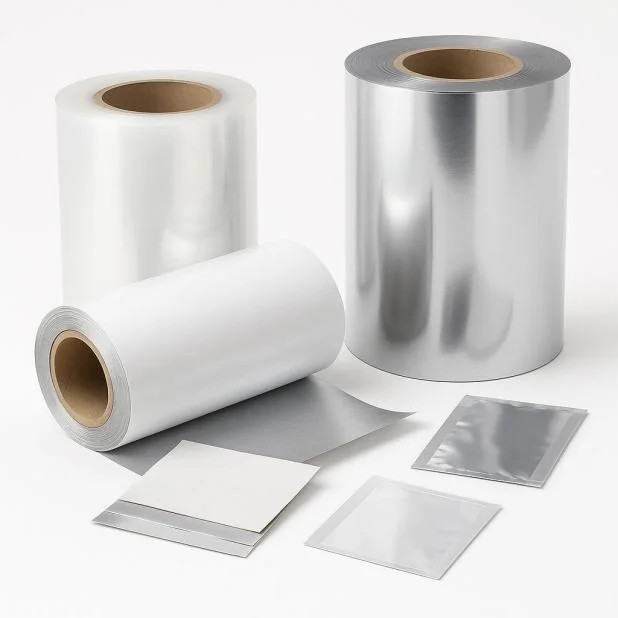
PET film for the outer printing layer
PET, or polyester film, provides strength, stiffness, temperature resistance, and a smooth printable surface. It is frequently used as an outer layer for snack, nut, bakery, coffee, and other printed food packaging.
PE film for heat sealing
PE, or polyethylene, is valued for flexibility and heat-sealing performance. It is commonly used as the inner layer of a laminate. The specific PE grade should be selected around sealing conditions, product weight, moisture needs, and the required package strength.
CPP and retort-grade sealing layers
CPP offers useful clarity, heat resistance, and sealing properties. For cooked or sterilized foods, a suitable retort-grade CPP structure must be selected and validated for the actual process conditions rather than assuming every CPP film is suitable for retort use.
PA film for toughness and puncture resistance
PA, also known as nylon film, provides toughness, puncture resistance, and useful low-temperature performance. It is often considered for frozen food, seafood, meat, and products that place greater mechanical demands on the package.
Aluminum foil and EVOH for higher barrier needs
Products that are sensitive to oxygen, moisture, light, or aroma loss may require a higher-barrier layer. Aluminum foil offers strong light-blocking and barrier performance, while EVOH can provide a transparent oxygen barrier when used in an appropriate structure. The finished barrier depends on the complete laminate, not one material in isolation.
Common multilayer laminate structures
A laminate combines complementary materials so the finished package can support printing, protection, sealing, and handling. The examples below describe common design approaches, but the final structure should be confirmed for the actual product and process.
PET/PE for selected dry-food applications
In a PET/PE structure, PET supports printing and stiffness while PE provides the inner sealing layer. This general-purpose approach can suit selected dry foods when its barrier and strength are sufficient for the intended shelf life and distribution conditions.
PA/PE for greater toughness
PA/PE combines the toughness and puncture resistance of nylon with the sealing performance of PE. It is commonly considered for frozen foods, seafood, meat products, and other applications where package strength is important.
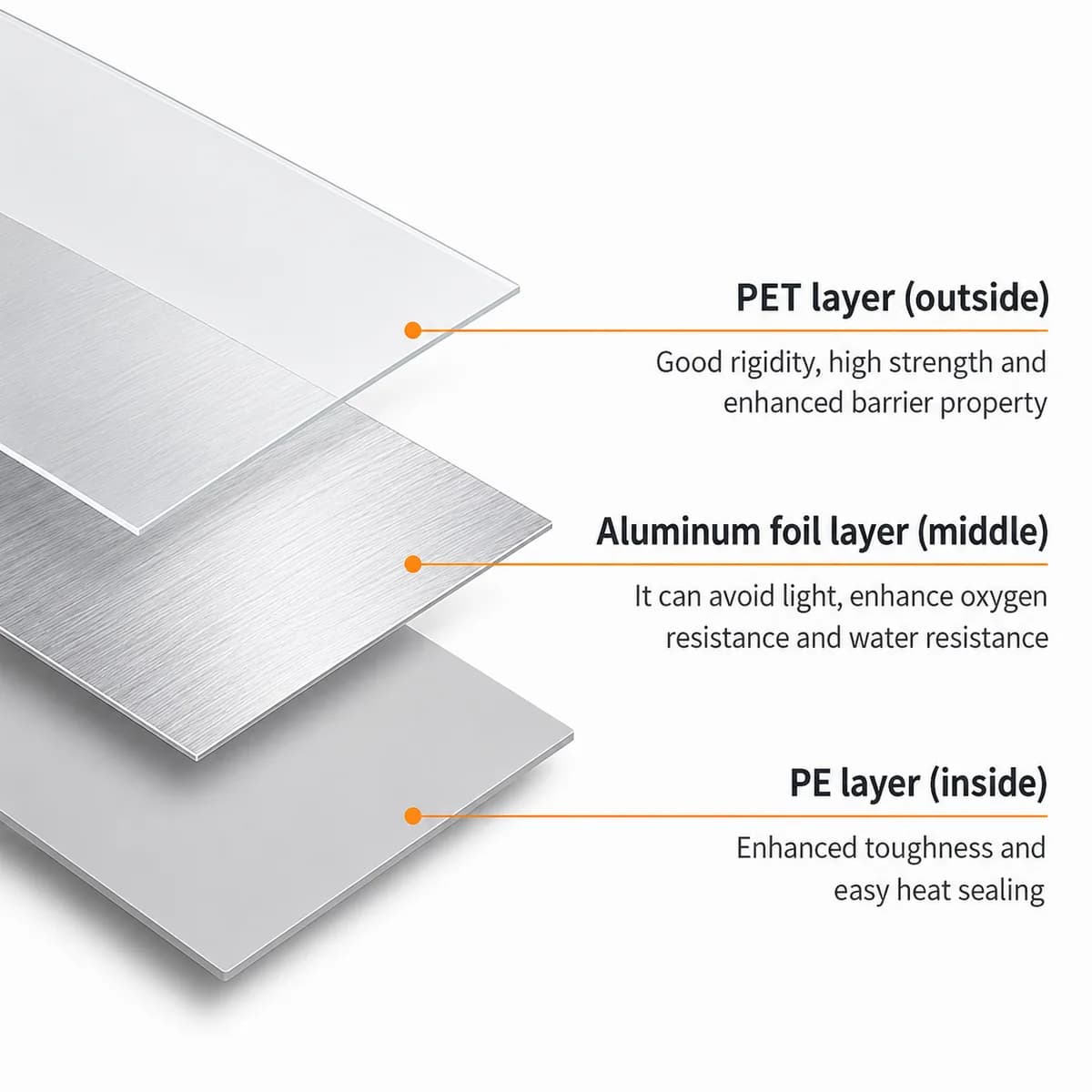
PET/AL/PE for strong light and oxygen protection
PET/AL/PE uses aluminum foil as a high-barrier middle layer. It can be considered for coffee, tea, seasonings, and other products that require strong protection from light, oxygen, and moisture.
PET/CPP for suitable heat-processing applications
PET can provide outer support and printability while an appropriate CPP grade forms the sealing layer. Processing temperature, duration, product acidity, and sterilization conditions must be confirmed before a structure is approved.
Applications for flexible food packaging bags
Flexible packaging can be adapted for many food categories, provided that the structure is matched to the actual application.
- Snacks, nuts, cookies, and bakery products
- Coffee, tea, seasonings, and aroma-sensitive products
- Frozen foods, seafood, meat, and selected prepared foods
- Powders, grains, dry goods, sauces, and other product-specific formats
What buyers should confirm before selecting a structure
The most expensive material is not automatically the best choice. A useful recommendation starts with the product characteristics and the conditions the package will experience.
- Product type, moisture and oil content, and sensitivity to oxygen or light
- Bag format, dimensions, fill weight, and filling method
- Storage temperature, transportation conditions, and target shelf life
- Target market requirements and required food-contact documentation
Conclusion
Flexible food packaging works best when the material structure is designed around the product rather than selected from appearance alone. Clear product, filling, storage, and shelf-life information helps a packaging supplier recommend a more appropriate structure for sampling and evaluation.